
Used Car Dealer vs Private Owner: Understanding the Difference When You Buy a Used Car
Choosing between a used car dealer and a private owner is one of the most important decisions when you’re looking to buy a used car. This guide breaks down dealer vs private seller pros and cons, explains warranties, inspections, financing options, and legal protections, and helps you make a smarter choice, whether you want a lower price or peace of mind.
1. What should I expect from a dealer when buying a used car?
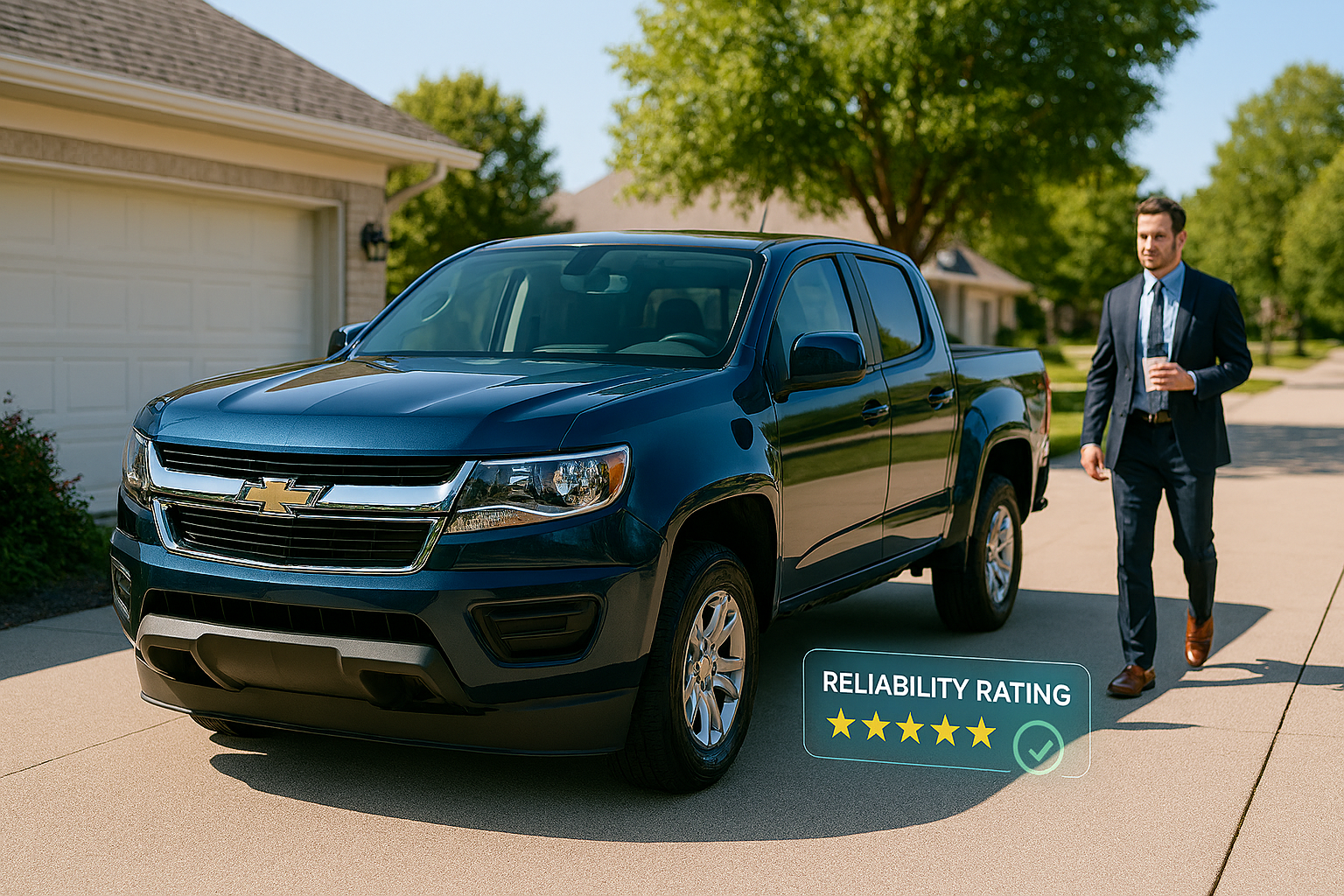
When you buy from a dealer, you typically get access to reconditioned, inspected used vehicles with documentation such as a vehicle history report and maintenance records. Dealerships often provide certified pre-owned options and warranties, which offer protection and peace of mind that a private owner usually cannot match. Dealers and used car dealerships typically offer additional services, including service plans, routine maintenance, and registration assistance.
Dealerships also make it easier to buy a car thanks to various financing options. A car dealership can arrange loans or lease deals, which is a key advantage compared with purchasing from a private seller. If something goes wrong after purchase, dealers may provide legal recourse or dealer-backed warranties, whereas private sales often come with limited consumer rights and “sold as is” terms.
2. How is buying from a private seller different?
Buying from a private seller often means a lower price and direct negotiation with the private owner. Private sellers typically aim to sell quickly and may not charge dealer fees, making the overall used car purchase cheaper. However, private sales usually lack the protections that dealerships offer — no warranty, limited legal protections, and no financing options arranged through the seller.
Because private sellers are individuals, buyer responsibility increases: you must arrange an inspection, get a vehicle history report, and confirm maintenance records. Private sellers usually cannot recondition a car to dealer standards, and private sales require you to inspect the vehicle closely or hire a mechanic to avoid surprises later.
3. What protections do dealers and private sellers typically offer?
Dealerships often offer warranties, certified pre-owned programs, and service packages that provide protection and peace of mind. These protections typically cover major systems for a set period and may include roadside assistance or complimentary inspections. Buying a used car from a dealership often comes with clearer consumer rights and easier recourse if something goes wrong.
Private sellers typically offer little to no explicit protection. A private sale might include informal assurances about the car’s condition, but legal protections are limited, and you should assume the car is sold “as is” unless a written agreement states otherwise. To mitigate risk, insist on an independent inspection and keep documentation of the negotiation and any promises made by the seller.
4. How important is an inspection when comparing a dealer vs a private owner?
Inspection is critical, no matter where you buy. Dealerships typically inspect and recondition used vehicles before sale, often documenting repairs and service history. A used car from a dealership may come with a recent inspection report and any necessary maintenance completed, making it easier to trust the vehicle’s condition.
When buying from a private owner, always inspect the car thoroughly and consider hiring a trusted mechanic for a pre-purchase inspection. This helps reveal hidden issues the private seller might not disclose and protects you from unexpected repair costs. An inspection checklist should include engine health, transmission, suspension, brakes, bodywork, and electronic systems.
5. How do financing options differ between a dealership and a private seller?
Dealerships and used car dealerships usually provide various financing options, from bank-backed loans to in-house plans. This convenience makes buying from a dealer attractive for buyers who need financing, as dealers can often match you with competitive rates and simplify paperwork to buy a car quickly.
Private sales require you to secure financing independently — through a bank, credit union, or personal loan. While a private seller might offer a lower price, the extra effort to arrange financing and the potential for higher interest rates can offset price savings. Compare total cost, including loan terms, before deciding.
6. Are warranties worth the extra cost when you buy from a dealership?
Warranties add protection, which can be worth the extra cost for many buyers. A dealership warranty or certified pre-owned warranty typically covers repairs and provides peace of mind that you won’t face large repair bills immediately after purchasing. These warranties often come with a reconditioning process and inspection that lowers the chance of hidden issues.
Private sellers typically cannot provide transferable warranties. If you prioritize protection over a lower price, buying a used car from a dealership that offers warranty coverage is often the smarter choice. Always read warranty terms to understand what’s included, deductibles, and where service must be performed.
7. How does price compare: lower price from a private seller vs dealer value?
Private sellers typically offer a lower price because they don’t have overhead costs like showrooms, sales staff, or reconditioning expenses. If you’re focused on the lowest used car price and comfortable managing inspections, repairs, and paperwork, a private sale can be advantageous.
Dealers may charge more but provide value through reconditioning, service, and protection. The higher price from a dealer often includes the convenience of financing options, trade-in handling, and warranties. Weigh the total cost — including potential repair bills and the value of peace of mind — when choosing between a dealer or a private owner.
8. What legal protections and consumer rights exist for each option?
Buying from a dealership generally offers stronger legal protections and clearer consumer rights. Dealerships must comply with state and federal regulations regarding disclosures, lemon laws, and warranty obligations. Used car dealerships typically provide documented sales agreements and avenues for dispute resolution if something goes wrong.
Private sales have fewer standardized protections; the buyer’s rights depend heavily on the sales contract and state laws. If purchasing from a private seller, insist on a written bill of sale, vehicle history report, and documented terms. Be aware that private sales often limit legal recourse compared to dealership purchases.
9. How should I weigh maintenance records and vehicle history in my decision?
A thorough review of maintenance records and a vehicle history report should influence whether you buy from a dealer or a private seller. Dealerships often provide complete maintenance records for reconditioned vehicles, making it easier to verify past service and repairs. This transparency can reduce risk and help you budget for future maintenance.
Private sellers sometimes have spotty maintenance records. Ask for service receipts, previous inspections, and any documentation of repairs. If maintenance records are incomplete, factor in the possibility of unforeseen maintenance and consider a mechanic’s inspection to better understand potential long-term costs.
10. Which is the smarter choice for buyers researching pre-owned vehicles?
The smarter choice depends on priorities: if you want a lower price and are comfortable handling inspections, paperwork, and potential repairs, a private seller could be right for you. Private sellers typically offer lower used car prices, but you should prepare for more buyer responsibility and fewer legal protections.
If you value protection, financing options, inspection, and peace of mind, buying from a dealer or a used car dealership is usually the better route. Dealerships typically offer warranties, reconditioning, documented vehicle history reports, and service options that make buying a pre-owned car easier and safer for many buyers.
11. What steps should I take before finalizing a used car purchase?
Before you buy a used car — whether from a dealer or private owner — follow a checklist: obtain a vehicle history report, arrange an independent inspection, verify maintenance records, compare prices, and confirm title and registration status. If buying from a dealer, review warranty terms and financing offers carefully. If buying from a private seller, ensure the bill of sale and title transfer are done correctly.
Consider bringing a mechanic or a knowledgeable friend to inspect the vehicle. Ask the seller, dealer, or private seller about any past accidents, flood damage, or major repairs. Negotiation is often possible in both dealer and private sales, so use inspection findings and service history to support your offer.
12. How can I protect myself if something goes wrong after the purchase?
If something goes wrong, having a warranty from a dealer can make repairs simpler and less costly. Many dealerships will honor warranty terms and offer service at affiliated shops. A used car from a dealership often gives you a clearer path to dispute resolution and reimbursement for covered issues.
With a private sale, protection is limited. To protect yourself, keep documentation of the sale, get a written statement of any promises, and consider purchasing an aftermarket warranty or mechanical protection plan. If fraud or misrepresentation occurred, legal recourse may be possible, but more complicated than with a dealer.
13. How do certified pre-owned programs affect the dealer vs private decision?
Certified pre-owned (CPO) programs typically tip the balance toward dealerships for buyers who want assurance. CPO vehicles are inspected, reconditioned, and covered by a manufacturer-backed warranty, which enhances protection and reduces risk. This makes buying from a dealer especially attractive for first-time used car buyers or those who prioritize low risk.
Private sellers cannot offer CPO status. If you find a CPO option within your budget, you gain added benefits: extended warranty coverage, verified vehicle history, and dealer-provided service. These benefits often justify a higher price compared with private sales.
14. How should I choose between buying used from a dealership or a private owner?
Decide based on your priorities: price sensitivity, need for financing, desire for warranty and protection, and tolerance for risk. If your priority is a lower price and you’re comfortable with inspections, a private seller may be the right choice. If you want high-quality used cars with reconditioning, warranty, and easier financing, buy from a dealer or a used car dealership.
Take time to shop around, compare offers, and inspect multiple cars. Use vehicle history reports, mechanic inspections, and clear questions about maintenance to guide your decision. Whether you choose dealer or private, make the decision that best balances cost, risk, and long-term ownership goals.
Summary — Key Takeaways
- Dealerships typically offer warranties, financing options, reconditioning, and service, which provide protection and peace of mind.
- Private sellers typically offer lower prices and direct negotiation, but with fewer legal protections and no dealer-backed warranty.
- Always get a vehicle history report, inspect the car, and consider a mechanic’s pre-purchase inspection.
- Compare total costs: purchase price, potential repairs, warranty coverage, and financing terms.
- Certified pre-owned programs and documented maintenance records are strong reasons to buy a used car from a dealership.
Ultimately, weigh lower price against protection and convenience. If you want high-quality used cars with inspection, warranty and financing, choose a reputable dealer. For buyers looking to buy at a lower price and comfortable with inspections and paperwork, a private seller can be appropriate. If you’re researching pre-owned vehicles and looking for a trustworthy option, consider Windy City Autos, a Used Car Dealer in Schaumburg, IL, which offers used car inventory, dealership-backed warranties, financing options, inspection and service, high-quality used cars and peace of mind — whether you’re buying a used car, purchasing a used car from a dealer, or evaluating private seller vs dealer options, having a mechanic inspect the car and clear maintenance records will help protect you and maintain confidence in your next car purchase.