
Advantages of Buying a Used Car with Low Mileage

Choosing the right pre-owned vehicle is one of the most important decisions car buyers make. The advantages of buying a used car with low mileage are often overlooked, yet they directly affect reliability, resale value, and overall ownership costs. This post explains why a used car with low mileage can be a smart purchase, what to check, and how to compare low-mileage used cars to higher mileage alternatives.
Why is low mileage on a used car important to car buyers?
Low-mileage used cars typically show fewer signs of wear and tear, which is a major factor to consider when purchasing a used vehicle. Miles on the odometer give a snapshot of how much life the engine, transmission, and other major components have left. For car buyers, lower mileage often means peace of mind and a reduced likelihood of immediate repairs.
While mileage isn’t the only indicator of condition, many car buyers prioritize a car with low mileage because it usually correlates with better maintenance history and fewer replacement parts needed. When shopping for used cars for sale, comparing mileage ranges helps narrow down options and makes it easier to buy a used car that’s worth buying.
How does low mileage affect the value of a used vehicle?
Low-mileage used cars generally hold their value better over time compared to cars with high mileage. A low-mileage used car is often priced higher than the same model with many miles, because buyers perceive lower future maintenance costs and longer remaining life. This value better over time makes buying a low-mileage used vehicle attractive for resale considerations.
When evaluating the mileage on a used car, consider average mileage and the vehicle’s age. For example, an older car with fewer miles per year could be a rarity and therefore worth buying. A vehicle history report that confirms genuine low miles adds to the car’s value and reassures buyers that the miles on the odometer are accurate.
Are low-mileage used cars simply better than higher mileage cars?
Not always — low mileage is a strong advantage but it must be balanced with overall condition of the car and maintenance. A low-mileage car that sat unused for long periods could suffer from issues like dry seals or corrosion, while a well-maintained higher-mileage car may be mechanically superior. Look beyond the odometer to maintenance records and vehicle history report to judge condition.
Consider the pros and cons of buying a low-mileage used car versus a cared-for older car with many miles. Cars with lower mileage often mean less wear and tear, but a car with higher mileage that has been regularly serviced can still be a great buy. Mileage often matters, but it’s one factor among many when shopping for a used car.
What should I check on the vehicle history report when buying a used car with low mileage?
A vehicle history report is essential when purchasing a used car. Check for reported odometer readings, accident history, service records, and title branding. A low mileage used car with an inconsistent mileage history may indicate odometer rollback or errors—both red flags for any buyer.
Also verify ownership history and any reported flood or salvage titles. Good maintenance shown on a vehicle history report supports the claim that the car with low mileage was properly cared for, making it more likely to be a sound purchase. When in doubt, ask the dealer or seller for further documentation or proof of low miles.
How much lower mileage is considered good mileage on a used car?
“Good mileage on a used” vehicle often depends on age. A common benchmark is average mileage of about 12,000–15,000 miles per year. Low miles means significantly less than that average. For a five-year-old car, fewer miles might be under 60,000; for a ten-year-old car, fewer than 120,000 could still be acceptable depending on condition.
Remember that mileage ranges vary by model and usage. Some cars are known to last hundreds of thousands of miles with proper care, so a vehicle’s maintenance history and current condition should be weighed alongside the odometer reading. Ask about miles per year and why the mileage seems unusually low if it does.
Can buying a low-mileage used car reduce long-term ownership costs?
Yes. A low-mileage used car often means fewer immediate repairs, lower wear and tear, and potentially lower car insurance premiums depending on the model and insurer. Fewer miles can delay the need for costly services like transmission rebuilds or major engine work, which are more common as mileage climbs.
Be aware that a low-mileage used car still requires routine maintenance—oil changes, brakes, tires, and timing belt or chain service based on age or time intervals. However, buying a low-mileage car can shift significant maintenance expenses further into the future and often reduces the chance of unexpected big-ticket repairs soon after purchase.
How does age and mileage together influence the decision to buy a used car?
Age and mileage together give the best picture of a used car’s likely condition. A newer car with many miles might show more mechanical wear than an older car with lower mileage. Conversely, a 10-year-old car with low mileage could have underlying age-related issues. Balance both factors by reviewing maintenance records and performing a thorough inspection.
Remember to consider average car usage. Many car buyers use miles per year as a guideline: a lower than average figure is often better. When purchasing a used car, ask the seller about driving patterns, storage conditions, and service history to understand how age and mileage influenced the car’s wear.
What are the most common pros and cons of buying a low-mileage used vehicle?
Pros: fewer miles usually mean less wear and tear, higher resale value, and more years of reliable service. Low-mileage used cars can offer the benefits of purchasing a used car—lower price than a new car—while minimizing many of the downsides associated with older or high-mileage vehicles.
Cons: a low-mileage car can be priced higher, and sometimes low miles mask neglect or long-term storage issues. Also, some buyers may pay a premium for low mileage that doesn’t translate into proportional savings if other components are aged or poorly maintained. Always cross-check the vehicle history and perform a pre-purchase inspection.
How should car buyers inspect a low-mileage used car before purchasing?
Perform a multi-point inspection and request a vehicle history report. Key checks include engine performance, fluid levels, tire condition, brakes, suspension, and any signs of leaks or corrosion. Look for consistent maintenance records and matching VINs on the vehicle, title, and report to ensure the miles on the odometer are accurate.
Consider hiring an independent mechanic for a pre-purchase inspection. A professional check can reveal issues not obvious to the untrained eye and confirm whether the low-mileage used car is truly in good condition. This step provides peace of mind and can prevent costly surprises down the road.
Are low-mileage used cars better for financing and insurance?
Sometimes. Lenders and insurance companies may view low-mileage used cars favorably because lower risk of breakdowns and accidents can translate into more predictable value retention. A used car with low mileage might qualify for better financing terms or influence insurance quotes depending on model, age, and condition.
However, financing and insurance decisions depend on many variables: credit score, vehicle model, location, and intended use. Always shop around for car insurance and financing to compare rates; a lower-mileage car could be one helpful factor among several in securing better terms.
Where can I find reliable low-mileage used cars for sale?
Look for reputable car dealerships, certified pre-owned programs, and trusted online marketplaces. Dealerships specializing in used cars often provide vehicle history reports and inspections, and a car dealer with a strong reputation will disclose past maintenance and title issues. Searching inventory for low-mileage used cars can produce a good selection of well-maintained vehicles.
Private sellers can also offer great deals, but require extra diligence. Always verify mileage with a vehicle history report and ask for maintenance records. If possible, choose a low-mileage used car that has been regularly serviced and comes with documentation to support its condition.
How do low-mileage used cars compare to buying a new car?
Buying a used car with low mileage offers many of the advantages of a new car—reliability and modern features—at a lower price tag. You avoid first-year depreciation that new cars experience, allowing you to buy a newer model or better trim within your budget. Low-mileage used cars can provide a sweet spot between cost savings and a newer-car experience.
However, a newer car might come with full manufacturer warranty coverage, the latest safety tech, and the reassurance of brand-new condition. When deciding to buy a used or new car, weigh the benefits of purchasing a used low-mileage vehicle—lower cost, value retention, and fewer miles—against the perks of buying new like warranty length and the absolute latest innovations.
What are practical tips for negotiating the price of a low-mileage used car?
Use data: compare similar models’ prices in your area and consider mileage differences when evaluating offers. Highlight any maintenance needs or age-related wear during negotiation. Even low-mileage used cars can have cosmetic or minor mechanical issues that provide leverage for a fairer price.
Bring a pre-purchase inspection report if you had the car evaluated. A clear vehicle history report and independent inspection give you factual grounds for negotiation. If the mileage seems unusually low, request documentation; transparent sellers are more likely to work with you on price or warranties.
How can I balance mileage with other factors when shopping for a used car?
Balance mileage with overall condition, maintenance history, and model reliability. A used car with low mileage but poor service history might not be as good as a higher-mileage vehicle that’s been meticulously maintained. Consult reliability ratings and common mileage-related issues for specific models to make a well-informed choice.
Create a checklist prioritizing: vehicle history report, maintenance records, inspection results, mileage compared to age, and price. This helps compare cars fairly and choose a low-mileage used car that truly meets your needs rather than relying solely on an appealing odometer reading.
What warranties or protections should I seek when buying a low-mileage used car?
Look for certified pre-owned programs, extended warranties, or dealer-provided limited warranties. These protections can add significant peace of mind and offset concerns about potential repairs even on a used car with low mileage. Understand what’s covered—powertrain, electronics, or full bumper-to-bumper—and check deductibles and claim processes.
If buying from a private seller, consider purchasing an aftermarket extended warranty or a third-party inspection to reduce risk. Even with low miles, components can fail, and having some level of warranty or protection can make the deal more secure and attractive.
Summary: Key takeaways
- Low mileage used cars generally mean less wear and tear, offering better reliability and potentially lower repair costs.
- Low-mileage used cars often retain value better and may be worth buying for resale considerations.
- Always verify miles with a vehicle history report to avoid odometer fraud or inconsistencies.
- Balance mileage with maintenance history, age, and condition when purchasing a used car.
- Get a pre-purchase inspection and consider warranties or certified pre-owned options for added peace of mind.
- Compare financing and insurance options—low mileage can sometimes improve terms but shop around.
When shopping for the right used car, focusing on a used car with low mileage can give you many advantages of buying newer vehicles while keeping costs down. Whether you’re looking for low-mileage used cars at a dealership or from a private seller, inspect the vehicle history report, check maintenance records, and get an independent inspection. For local buyers in Illinois, Windy City Autos, a used car dealer in Schaumburg, IL, offers a selection of used cars for sale and can help you buy a used car or find a low mileage used car that fits your needs. Considering the benefits of buying low mileage cars and reviewing the condition of the car will help you buy a car with confidence and enjoy years of reliable service.
Why Buying a Used Car Is a Smart Choice for Budget-Conscious Buyers
Choosing between a new car and a pre-owned vehicle can shape your financial future and day-to-day peace of mind. For many budget-conscious buyers, buying a used car is a smart choice that reduces the cost of car ownership while preserving access to reliable makes and models. This guide explores why opting for a used car can be a better option for budget-conscious buyers, covering depreciation, warranties, insurance premiums, financing options, and how the used car market offers strong value for those purchasing a used vehicle.

1. Why is buying a used car a smart choice compared to a new car?
Buying a used car often means paying a lower price up front than you would for a new vehicle. New cars lose value quickly in the first few years due to depreciation, while many used cars have already absorbed that hit, making purchasing a used car a smart financial decision for buyers on a tight budget. The lower initial cost also translates to smaller financing needs and lower registration fees and taxes in many states.
Beyond price, used cars offer a wide selection of makes and models that fit different lifestyles and budgets. For budget-conscious buyers, the ability to choose from many used vehicles can mean securing a higher trim or better-equipped pre-owned car than what a similar budget would allow when buying new.
2. How does depreciation make a used vehicle a better option for budget-conscious buyers?
Depreciation is the biggest cost of car ownership for new vehicle buyers. New cars lose value rapidly in the first three years, while used cars have already undergone that steep decline. That means when you buy a pre-owned car, you avoid the largest portion of depreciation expense—helping you preserve more of your money and making the used car market offers better long-term value.
For budget-conscious buyers, this effect translates into potential savings not just at purchase, but also when selling or trading in later. Reduced depreciation means you could recoup a larger percentage of your purchase price compared to owning a new car for the same period.
3. What warranty and certified pre-owned options protect me when purchasing a used car?
Modern used cars often come with warranty choices that provide peace of mind similar to new vehicles. Many certified pre-owned (CPO) programs include extended warranties, rigorous inspections, and roadside assistance. Choosing a certified pre-owned vehicle from a trusted used car dealership gives buyers confidence in the condition of a used car and reduces the risk associated with buying used.
If you’re considering purchasing a used car, ask for the vehicle history report and details about any remaining factory warranty or dealer-offered protection plans. These warranty options and the CPO label help budget-conscious buyers get the reassurance they need without the premium price of a new vehicle.
4. How do insurance premiums and registration fees compare between new and used cars?
Insurance premiums for used cars are generally lower compared to those for new vehicles.Insurers base rates on replacement cost, vehicle value, and theft or repair risk—so a lower-valued pre-owned car usually has reduced premiums. This ongoing savings can be significant for buyers on a tight budget and is a key reason buying a used vehicle can be a better option for budget-conscious buyers.
Registration fees and taxes often scale with vehicle value and model year, so choosing a pre-owned car can also reduce annual registration fees. When comparing total cost of ownership, lower insurance premiums and reduced registration fees tip the balance toward buying used for many cost-conscious car buyers.
5. What financing options are available when buying a used car versus buying new?
Used car financing has become more accessible, with lenders and dealerships offering competitive loans tailored to used vehicle purchases. While interest rates for used car financing can be slightly higher than new car loans, the dramatically lower principal amount often results in smaller monthly payments and less overall interest paid—helping budget-conscious buyers manage cash flow.
When shopping for used cars, explore financing options from banks, credit unions, and the dealership. Pre-approval and comparison shopping are smart steps in choosing the best loan terms and ensuring a used car remains a cost-effective choice for buyers focused on long-term affordability.
6. How can vehicle history reports and inspections help when choosing a used car?
A vehicle history report is a crucial tool for choosing a used vehicle. Reports disclose previous accidents, title issues, mileage discrepancies, service records, and more. For budget-conscious buyers, a clean vehicle history report reduces the risk of costly repairs down the line and increases the value of the used car purchase.
Independent inspections by a trusted mechanic add another layer of protection. A thorough check of the engine, transmission, brakes, and electronics uncovers hidden problems and informs negotiation. Combining the vehicle history report with a professional inspection makes buying used safer and helps buyers identify the best pre-owned car options.
7. What are the advantages of buying a certified pre-owned vehicle for budget-conscious buyers?
Certified pre-owned vehicles bridge the gap between new and used by offering manufacturer-backed inspections and warranties. These certified pre-owned vehicles often come with extended warranty coverage, multi-point inspections, and benefits like roadside assistance. For budget-conscious buyers, a certified pre-owned vehicle can deliver peace of mind without the higher costs associated with buying new.
While certified models may carry a premium over standard used cars, the additional protection can be worth the investment—especially for buyers prioritizing reliability and lower long-term maintenance risks. Consider certified pre-owned options if you want a balance of cost savings and warranty-backed security.
8. How can choosing a used car improve overall cost of car ownership?
Opting for a used car reduces the immediate financial burden and lowers recurring expenses, improving overall cost of car ownership. Savings appear in the form of a lower purchase price, smaller loan amounts, reduced depreciation, and often lower insurance premiums. These factors together make purchasing a used vehicle one of the smartest financial decisions for buyers focused on minimizing lifetime car costs.
Used cars offer flexibility for upgrading sooner or diversifying your vehicle choices. For example, buyers on a tight budget can afford a more premium make or model as a used car than they could if buying new. That access to better-equipped vehicles improves value and satisfaction for budget-conscious buyers.
9. What should car buyers consider about makes and models when shopping for used cars?
When shopping for used cars, prioritize makes and models known for reliability, reasonable repair costs, and good resale value. Research common maintenance issues, parts availability, and owner reviews. Popular models with strong reliability records often provide the best balance of lower ownership costs and long-term durability for budget-conscious buyers.
Consider factors like fuel efficiency, safety ratings, and the cost of routine maintenance. Some makes and models are cheaper to insure and maintain, which matters for long-term budgeting. Studying these points helps buyers choose a used vehicle that meets needs and minimizes future expenses.
10. How do supply and demand in the used car market affect pricing and availability?
The used car market responds to the demand for new cars and broader economic trends. When demand for new cars is high or new vehicle production is constrained, used car prices can increase. Conversely, when many new cars are available, used car prices may stabilize or drop. Understanding these market dynamics helps budget-conscious buyers time their purchase for the best value.
Shopping strategically—monitoring prices, comparing makes and models, and being willing to shop in nearby regions—can help buyers find better deals. Remember that negotiation, a vehicle history report, and inspections are essential steps in securing a fair price in any market environment.
11. Is opting for a used car a smart choice if I want peace of mind and lower risks?
Yes—opting for a used car can deliver peace of mind when you use the right protections: vehicle history reports, certified pre-owned options, extended warranties, and pre-purchase inspections. These safeguards make buying used a less risky proposition and can provide the same confidence many buyers expect from a new vehicle.
For many budget-conscious buyers, these combined protections and the lower price point create a smart choice for reliable, affordable car ownership. The used car market offers many trusted used cars and reputable used car dealerships that support buyers through transparent processes and warranty-backed sales.
12. How do I negotiate and shop smart for purchasing a used vehicle?
Shopping for used cars effectively requires preparation: research fair market values, request vehicle history reports, and get pre-approved financing. When negotiating, highlight any issues found in inspections and be ready to walk away if the price doesn’t match condition and comparables. These steps empower budget-conscious buyers to secure better deals and avoid overpaying.
Use comparison shopping across dealerships and private sellers, and consider timing your purchase when demand for new cars is lower or when dealerships are motivated to move inventory. A thoughtful approach to negotiation and a checklist for inspections make buying used a smart and practical option.
13. What long-term benefits do used cars offer for long-term car ownership?
Used cars can deliver strong long-term benefits: lower total cost of ownership, flexibility to change vehicles sooner, and access to higher-spec models for the same budget. As a result, car ownership becomes more affordable and adaptable, especially for budget-conscious buyers who prioritize value over the latest features of a new vehicle.
With careful selection of makes and models known for longevity, the advantages of buying used extend over many years. Routine maintenance, a solid vehicle history, and available warranties help ensure that a pre-owned car remains a dependable daily driver and a smart financial decision.
14. How do I find a trusted used car dealer or pre-owned car seller?
Finding a trusted used car dealership starts with research: read reviews, ask for recommendations, and verify certifications like certified pre-owned programs. A reputable used car dealer will provide transparent vehicle history reports, clear warranty options, and fair financing terms. Look for dealers who stand behind their inventory and offer service after the sale.
For buyers in the Schaumburg, IL area, consider established reputable sellers with strong community reputations. A trusted used car dealership will ease the purchasing process and help budget-conscious buyers make an informed choice when buying a used vehicle.
15. Can buying a used car be a better option for budget-conscious buyers than leasing or buying new?
Buying a used car often beats leasing or buying new for those prioritizing long-term savings. Leasing can provide low monthly payments but comes with mileage limits and end-of-lease charges, while buying new incurs steep early depreciation. Purchasing a used car reduces these downsides by lowering purchase price and avoiding most depreciation, making it an attractive option for budget-conscious buyers.
For buyers who value ownership and lower lifetime costs, a well-chosen pre-owned vehicle is frequently the smart choice. With the right protections—warranties, inspections, and financing—opting for a used car can be the most financially responsible path to reliable car ownership.
16. What are practical next steps for buyers ready to buy a used car?
Practical next steps include setting a realistic budget, getting pre-approved financing, narrowing preferred makes and models, and requesting vehicle history reports for any candidate cars. Arrange independent inspections and compare warranty options, including certified pre-owned vehicles if you want extra protection. These steps help ensure that buying a used car remains a wise and economical decision.
Also, factor in insurance premiums, registration fees, and routine maintenance when calculating total cost of ownership. A careful plan and checklist make buying a pre-owned vehicle straightforward and reduce surprises after purchase.
17. How do the benefits of buying a used car support smart, budget-conscious decisions?
The benefits of buying a used car—lower price, reduced depreciation, lower insurance premiums, and access to certified pre-owned warranties—combine to support smart decisions for budget-conscious buyers. These advantages help reduce monthly expenses and long-term costs associated with car ownership, making purchasing a used car a compelling choice.
Ultimately, opting for a used car allows many buyers to obtain better-equipped makes and models within their budgets, preserve cash for other priorities, and enjoy reliable transportation without the financial strain of buying new.
18. How can I ensure a used car purchase gives me long-term peace of mind?
To ensure peace of mind, insist on a vehicle history report, a professional inspection, and clear warranty coverage. Buying a certified pre-owned vehicle from a reputable seller further reduces risk and adds manufacturer-backed protections. Taking these steps helps budget-conscious buyers avoid common pitfalls and enjoy long-term satisfaction with their pre-owned car.
Keep service records and perform routine maintenance to retain the value and reliability of your used vehicle. With a proactive approach, a used car can provide dependable transportation and minimize unexpected costs over time.
19. What common myths about buying used should buyers be aware of?
Common myths include the idea that used cars are always unreliable or lack warranty protection. In reality, many used cars are well-maintained, and certified pre-owned programs plus after-market warranties address reliability concerns. Another myth is that buying new is always cheaper long-term—depreciation often proves otherwise for budget-conscious buyers.
By using vehicle history reports, independent inspections, and choosing reputable sellers, buyers can avoid problems and enjoy the benefits of purchasing a used vehicle. Knowledge and due diligence turn many used cars into excellent long-term investments.
20. How do I weigh buying used against the emotional appeal of buying new?
Buying new can feel rewarding because of latest features and the new-vehicle smell, but emotional appeal shouldn’t override practical financial considerations. Budget-conscious buyers often find that a high-quality used car delivers comparable comfort and technology at a fraction of the price, making it a better option for long-term financial health.
Weigh the emotional satisfaction of buying new against tangible benefits: lower total cost of ownership, less depreciation, and greater flexibility. For many buyers, opting for a used car is both a smart financial decision and a practical path to reliable transportation.
21. How can I summarize the key advantages of purchasing a used car now?
Purchasing a used vehicle today offers many advantages: lower purchase price, reduced depreciation, often lower insurance premiums and registration fees, and a broader selection of makes and models within a given budget. Certified pre-owned vehicles and warranties further enhance the value proposition, making buying a used car an especially attractive option for budget-conscious buyers.
With careful research, inspections, and smart financing, opting for a used car can provide long-lasting benefits and secure car ownership that fits both your needs and your wallet.
Summary of key takeaways
- Used cars are typically lower in price and face less depreciation than new cars.
- Buying a used vehicle reduces insurance premiums, registration fees, and overall cost of car ownership.
- Certified pre-owned programs and warranties provide extra protection and peace of mind.
- Vehicle history reports and independent inspections are essential when choosing a used car.
- Smart financing and negotiation make purchasing a used car more affordable for budget-conscious buyers.
As you research pre-owned vehicles and weigh the benefits of buying used versus buying new, remember that a trusted used car dealership can make the process easier. Windy City Autos, a Used Car Dealer in Schaumburg, IL, helps budget-conscious buyers find reliable pre-owned cars, offers vehicle history reports, financing options, and warranty choices that reduce depreciation risk and provide peace of mind. For many car buyers, opting for a used car is a smart choice that balances affordability, quality, and long-term value in the car market and for everyday car ownership.
Used Car Dealer vs Private Owner: Understanding the Difference When You Buy a Used Car
Choosing between a used car dealer and a private owner is one of the most important decisions when you’re looking to buy a used car. This guide breaks down dealer vs private seller pros and cons, explains warranties, inspections, financing options, and legal protections, and helps you make a smarter choice, whether you want a lower price or peace of mind.
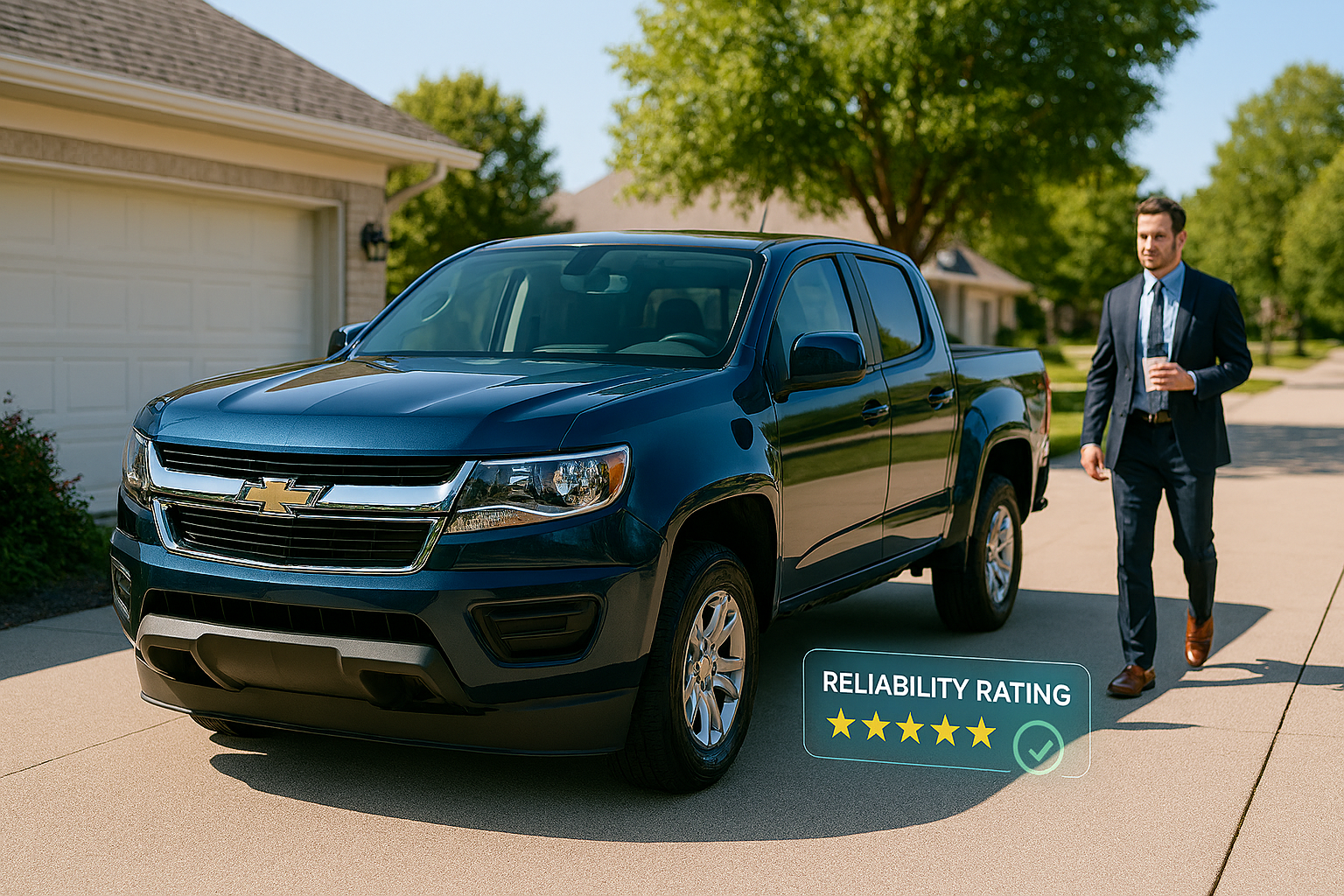
1. What should I expect from a dealer when buying a used car?
When you buy from a dealer, you typically get access to reconditioned, inspected used vehicles with documentation such as a vehicle history report and maintenance records. Dealerships often provide certified pre-owned options and warranties, which offer protection and peace of mind that a private owner usually cannot match. Dealers and used car dealerships typically offer additional services, including service plans, routine maintenance, and registration assistance.
Dealerships also make it easier to buy a car thanks to various financing options. A car dealership can arrange loans or lease deals, which is a key advantage compared with purchasing from a private seller. If something goes wrong after purchase, dealers may provide legal recourse or dealer-backed warranties, whereas private sales often come with limited consumer rights and “sold as is” terms.
2. How is buying from a private seller different?
Buying from a private seller often means a lower price and direct negotiation with the private owner. Private sellers typically aim to sell quickly and may not charge dealer fees, making the overall used car purchase cheaper. However, private sales usually lack the protections that dealerships offer — no warranty, limited legal protections, and no financing options arranged through the seller.
Because private sellers are individuals, buyer responsibility increases: you must arrange an inspection, get a vehicle history report, and confirm maintenance records. Private sellers usually cannot recondition a car to dealer standards, and private sales require you to inspect the vehicle closely or hire a mechanic to avoid surprises later.
3. What protections do dealers and private sellers typically offer?
Dealerships often offer warranties, certified pre-owned programs, and service packages that provide protection and peace of mind. These protections typically cover major systems for a set period and may include roadside assistance or complimentary inspections. Buying a used car from a dealership often comes with clearer consumer rights and easier recourse if something goes wrong.
Private sellers typically offer little to no explicit protection. A private sale might include informal assurances about the car’s condition, but legal protections are limited, and you should assume the car is sold “as is” unless a written agreement states otherwise. To mitigate risk, insist on an independent inspection and keep documentation of the negotiation and any promises made by the seller.
4. How important is an inspection when comparing a dealer vs a private owner?
Inspection is critical, no matter where you buy. Dealerships typically inspect and recondition used vehicles before sale, often documenting repairs and service history. A used car from a dealership may come with a recent inspection report and any necessary maintenance completed, making it easier to trust the vehicle’s condition.
When buying from a private owner, always inspect the car thoroughly and consider hiring a trusted mechanic for a pre-purchase inspection. This helps reveal hidden issues the private seller might not disclose and protects you from unexpected repair costs. An inspection checklist should include engine health, transmission, suspension, brakes, bodywork, and electronic systems.
5. How do financing options differ between a dealership and a private seller?
Dealerships and used car dealerships usually provide various financing options, from bank-backed loans to in-house plans. This convenience makes buying from a dealer attractive for buyers who need financing, as dealers can often match you with competitive rates and simplify paperwork to buy a car quickly.
Private sales require you to secure financing independently — through a bank, credit union, or personal loan. While a private seller might offer a lower price, the extra effort to arrange financing and the potential for higher interest rates can offset price savings. Compare total cost, including loan terms, before deciding.
6. Are warranties worth the extra cost when you buy from a dealership?
Warranties add protection, which can be worth the extra cost for many buyers. A dealership warranty or certified pre-owned warranty typically covers repairs and provides peace of mind that you won’t face large repair bills immediately after purchasing. These warranties often come with a reconditioning process and inspection that lowers the chance of hidden issues.
Private sellers typically cannot provide transferable warranties. If you prioritize protection over a lower price, buying a used car from a dealership that offers warranty coverage is often the smarter choice. Always read warranty terms to understand what’s included, deductibles, and where service must be performed.
7. How does price compare: lower price from a private seller vs dealer value?
Private sellers typically offer a lower price because they don’t have overhead costs like showrooms, sales staff, or reconditioning expenses. If you’re focused on the lowest used car price and comfortable managing inspections, repairs, and paperwork, a private sale can be advantageous.
Dealers may charge more but provide value through reconditioning, service, and protection. The higher price from a dealer often includes the convenience of financing options, trade-in handling, and warranties. Weigh the total cost — including potential repair bills and the value of peace of mind — when choosing between a dealer or a private owner.
8. What legal protections and consumer rights exist for each option?
Buying from a dealership generally offers stronger legal protections and clearer consumer rights. Dealerships must comply with state and federal regulations regarding disclosures, lemon laws, and warranty obligations. Used car dealerships typically provide documented sales agreements and avenues for dispute resolution if something goes wrong.
Private sales have fewer standardized protections; the buyer’s rights depend heavily on the sales contract and state laws. If purchasing from a private seller, insist on a written bill of sale, vehicle history report, and documented terms. Be aware that private sales often limit legal recourse compared to dealership purchases.
9. How should I weigh maintenance records and vehicle history in my decision?
A thorough review of maintenance records and a vehicle history report should influence whether you buy from a dealer or a private seller. Dealerships often provide complete maintenance records for reconditioned vehicles, making it easier to verify past service and repairs. This transparency can reduce risk and help you budget for future maintenance.
Private sellers sometimes have spotty maintenance records. Ask for service receipts, previous inspections, and any documentation of repairs. If maintenance records are incomplete, factor in the possibility of unforeseen maintenance and consider a mechanic’s inspection to better understand potential long-term costs.
10. Which is the smarter choice for buyers researching pre-owned vehicles?
The smarter choice depends on priorities: if you want a lower price and are comfortable handling inspections, paperwork, and potential repairs, a private seller could be right for you. Private sellers typically offer lower used car prices, but you should prepare for more buyer responsibility and fewer legal protections.
If you value protection, financing options, inspection, and peace of mind, buying from a dealer or a used car dealership is usually the better route. Dealerships typically offer warranties, reconditioning, documented vehicle history reports, and service options that make buying a pre-owned car easier and safer for many buyers.
11. What steps should I take before finalizing a used car purchase?
Before you buy a used car — whether from a dealer or private owner — follow a checklist: obtain a vehicle history report, arrange an independent inspection, verify maintenance records, compare prices, and confirm title and registration status. If buying from a dealer, review warranty terms and financing offers carefully. If buying from a private seller, ensure the bill of sale and title transfer are done correctly.
Consider bringing a mechanic or a knowledgeable friend to inspect the vehicle. Ask the seller, dealer, or private seller about any past accidents, flood damage, or major repairs. Negotiation is often possible in both dealer and private sales, so use inspection findings and service history to support your offer.
12. How can I protect myself if something goes wrong after the purchase?
If something goes wrong, having a warranty from a dealer can make repairs simpler and less costly. Many dealerships will honor warranty terms and offer service at affiliated shops. A used car from a dealership often gives you a clearer path to dispute resolution and reimbursement for covered issues.
With a private sale, protection is limited. To protect yourself, keep documentation of the sale, get a written statement of any promises, and consider purchasing an aftermarket warranty or mechanical protection plan. If fraud or misrepresentation occurred, legal recourse may be possible, but more complicated than with a dealer.
13. How do certified pre-owned programs affect the dealer vs private decision?
Certified pre-owned (CPO) programs typically tip the balance toward dealerships for buyers who want assurance. CPO vehicles are inspected, reconditioned, and covered by a manufacturer-backed warranty, which enhances protection and reduces risk. This makes buying from a dealer especially attractive for first-time used car buyers or those who prioritize low risk.
Private sellers cannot offer CPO status. If you find a CPO option within your budget, you gain added benefits: extended warranty coverage, verified vehicle history, and dealer-provided service. These benefits often justify a higher price compared with private sales.
14. How should I choose between buying used from a dealership or a private owner?
Decide based on your priorities: price sensitivity, need for financing, desire for warranty and protection, and tolerance for risk. If your priority is a lower price and you’re comfortable with inspections, a private seller may be the right choice. If you want high-quality used cars with reconditioning, warranty, and easier financing, buy from a dealer or a used car dealership.
Take time to shop around, compare offers, and inspect multiple cars. Use vehicle history reports, mechanic inspections, and clear questions about maintenance to guide your decision. Whether you choose dealer or private, make the decision that best balances cost, risk, and long-term ownership goals.
Summary — Key Takeaways
- Dealerships typically offer warranties, financing options, reconditioning, and service, which provide protection and peace of mind.
- Private sellers typically offer lower prices and direct negotiation, but with fewer legal protections and no dealer-backed warranty.
- Always get a vehicle history report, inspect the car, and consider a mechanic’s pre-purchase inspection.
- Compare total costs: purchase price, potential repairs, warranty coverage, and financing terms.
- Certified pre-owned programs and documented maintenance records are strong reasons to buy a used car from a dealership.
Ultimately, weigh lower price against protection and convenience. If you want high-quality used cars with inspection, warranty and financing, choose a reputable dealer. For buyers looking to buy at a lower price and comfortable with inspections and paperwork, a private seller can be appropriate. If you’re researching pre-owned vehicles and looking for a trustworthy option, consider Windy City Autos, a Used Car Dealer in Schaumburg, IL, which offers used car inventory, dealership-backed warranties, financing options, inspection and service, high-quality used cars and peace of mind — whether you’re buying a used car, purchasing a used car from a dealer, or evaluating private seller vs dealer options, having a mechanic inspect the car and clear maintenance records will help protect you and maintain confidence in your next car purchase.
20 Benefits of Buying from a Used Car Dealership
Buying a used car is a major decision, and knowing your reasons to buy from a used car dealership can change the whole car-buying experience. This guide explains why choosing a reputable used car dealership often makes more sense than purchasing from a private seller. Whether you’re buying a used vehicle for daily commuting, upgrading from an old car, or comparing dealership vs private seller options, these insights help you find the perfect car for your needs with confidence.
1. Why does a dealer provide more peace of mind than a private seller?
Reputable used car dealerships offer buyer protections that a car from a private seller typically does not. Dealerships often provide written warranties, certified pre-owned options, and documented inspections that give you peace of mind about the purchase of the used car. Unlike a private seller, a dealer is held to business standards and local regulations, which means you have recourse if something goes wrong after the sale.
When purchasing a car from a dealership, you benefit from vehicle history reports, documented repairs, and a transparent buying experience. These elements reduce the risk of hidden problems common in purchasing from a private seller. For buyers focused on long-term ownership and warranty coverage, a reputable used car dealer can make the difference between a stressful purchase and a smooth transition to your new or pre-owned vehicle.
2. How do inspections and vehicle history reports influence the buying process?
Inspections and vehicle history reports are core reasons to buy from a used car dealership. Many used car dealerships offer comprehensive inspections that cover engine condition, frame damage, service history, and more. These reports, often included with certified pre-owned vehicles, help you evaluate the true condition of the car beyond its appearance, providing transparency that private sellers rarely supply.
Vehicle history reports help you avoid vehicles with salvage titles, unreported accidents, or inconsistent service records. When buying a used car from a dealership, you can review these documents as part of the car-buying process. This not only supports a more informed purchase but also protects you from unexpected expenses and safety concerns down the road.
3. What financing options do dealerships offer compared to buying from a private seller?
One of the biggest advantages of purchasing from a used car dealership is access to financing. Dealerships often provide in-house financing or partner with lenders to offer a range of financing options tailored to different credit profiles. This convenience eliminates the need to secure a loan independently, which you would have to do if buying a car from a private seller.
Dealerships provide flexibility such as extended terms, competitive interest rates for qualified buyers, and tailored monthly payment plans. For buyers who need financing to buy a used car, dealerships streamline the process and often facilitate trade-ins, tax calculations, and registration services typically unavailable when purchasing from a private seller.
4. What benefits of buying a certified pre-owned vehicle at a dealership should I consider?
Certified pre-owned vehicles combine the affordability of a used car with many of the assurances of a new car. Certified pre-owned vehicles sold by used car dealerships undergo rigorous inspections and often come with extended warranties, roadside assistance, and lower finance rates. These benefits of buying certified pre-owned reduce the uncertainty of buying used and can be a smart middle ground between new and used car purchases.
Dealerships that specialize in certified pre-owned sales provide documented service histories and quality controls that make purchasing a used car more reliable. If you value warranty coverage, transparent inspection reports, and a structured buying experience, a certified pre-owned option at a reputable used car dealer is worth considering.
5. How does the variety of vehicles at dealerships help you find the perfect car?
Many dealerships carry a wide selection of vehicles, from compact cars to SUVs and trucks, making it easier to find the perfect car for your needs. Unlike purchasing from a private seller who typically offers only a single vehicle, used car dealerships provide the convenience of shopping multiple options in one place. This selection of vehicles helps you compare features, pricing, and conditions side-by-side.
Dealerships often rotate inventory regularly, so you can find many used car models, trims, and years without driving across town to view multiple private listings. If you have specific needs—fuel efficiency, safety features, towing capacity, or family-friendly seating—a reputable used car dealership increases your chances of finding the ideal vehicle quickly.
6. Why are warranties and after-sales support important when buying a used vehicle?
Warranties are a major selling point and a pivotal reason to buy from a used car dealership. Dealerships frequently offer limited warranties, extended protection plans, and service packages that cover essential repairs. Having some level of warranty reduces your financial risk and supports long-term ownership stability—something you rarely get with a private used car sale.
After-sale support from a dealership can include maintenance reminders, service center access, and specialized technicians familiar with your vehicle’s make and model. This ongoing relationship offers peace of mind and simplifies routine maintenance and unexpected repairs, which is a considerable advantage over buying from a private seller.
7. How does a dealership facilitate the car-buying experience compared to a private used sale?
Dealerships streamline the car-buying process by handling paperwork, title transfers, registration, and payoffs for trade-ins. These services make purchasing from a dealership more straightforward than navigating the paperwork and logistics involved in purchasing from a private seller. For first-time buyers or those who dislike administrative hassle, the dealership experience is designed to be efficient and transparent.
Dealerships provide additional in-person support like test drives, on-site inspections, and expert sales staff who can answer questions about financing, warranty terms, and vehicle history. This level of support increases buyer confidence during the car purchasing process and fosters a smoother buying experience than private transactions typically provide.
8. Are used car dealerships more reputable than private sellers when it comes to price and value?
Reputable used car dealerships often price vehicles competitively based on market research, reconditioning costs, and included services. While private sellers might offer lower upfront prices, dealerships provide added value through inspections, warranties, and financing options. When comparing dealership vs private seller, factor in the total value—price, protections, and convenience—rather than just the sticker price of the car.
Dealerships can also offer trade-in credits and promotional deals that make the overall cost of purchasing from a dealer more attractive. For buyers focused on long-term value, paying slightly more at a dealership can translate into fewer surprises and lower lifecycle costs for the vehicle.
9. How does test drive availability at dealerships impact your decision to buy used?
Test drives are a critical step when purchasing from a used car dealer. Dealerships encourage test drives and often have multiple vehicles available for immediate evaluation. This hands-on experience helps you judge comfort, handling, and fit for your daily needs—elements that online photos and private seller descriptions cannot fully convey.
During test drives at a dealership, you can also inspect maintenance records, ask sales professionals about vehicle history reports, and schedule further mechanical inspections if needed. The ability to test drive several models in one visit improves your chances of finding the right car for your needs and reduces buyer’s remorse compared to purchasing from a private seller without a thorough drive.
10. What are the top advantages of purchasing a used car from a local dealership?
Local used car dealerships provide convenience, local reputation, and follow-up service that matter after the car purchase. Reputable dealerships build their business on repeat customers and good reviews, which means they focus on customer satisfaction. This local accountability often results in better customer service, transparent deals, and a smoother ownership experience.
Advantages of purchasing from a local dealer include in-house financing options, accessible service centers, and immediate help if problems arise after purchase. Whether you’re buying a pre-owned vehicle to replace an old car or upgrading to a certified pre-owned option, your local dealership is positioned to support you throughout the purchasing process and beyond.
11. How can buying from a dealer protect you from the common pitfalls of purchasing from a private seller?
Buying from a dealer protects you from many issues that can arise when purchasing from a private seller, such as undisclosed damage, lack of maintenance records, or title problems. Dealerships perform inspections, verify titles, and often include vehicle history reports as part of the sale. These safeguards reduce the likelihood of hidden defects and protect your investment in the long term.
Dealerships also adhere to consumer protection laws and industry standards, meaning they are more likely to disclose known issues and provide remedies if problems occur post-sale. For buyers who want to minimize risk and avoid the uncertainty of a private used car transaction, a reputable dealership is often the safer choice.
12. What should you check when comparing many dealerships to find a reputable used car dealer?
When comparing many dealerships, focus on reputation, certification, warranty offerings, inspection policies, and financing options. Look for customer reviews, better business bureau ratings, and transparency about service history and pricing. A reputable dealership will provide clear vehicle history reports, documented inspections, and honest answers during the car-buying process.
Comparing inventory and visiting showrooms lets you evaluate the selection of vehicles and the quality of pre-owned cars on offer. Also, compare financing options and in-house financing offers to see which dealership can provide the best total package for purchasing your next vehicle.
13. How do dealerships handle trade-ins and paperwork to simplify your purchase?
Dealerships often handle trade-ins, title transfers, and registration to streamline the purchase of the used car. This convenience saves time and paperwork headaches compared to a private sale, where you must manage all legal steps on your own. Many dealerships will appraise your current car, apply trade-in value to your purchase, and pay off existing loans on your behalf.
Having professionals handle the administrative parts of purchasing a used vehicle reduces mistakes and ensures compliance with local regulations. Dealerships aim to make the buying experience efficient and straightforward, which is especially helpful when balancing financing, warranties, and insurance while finalizing your car purchase.
14. What final tips help you decide between a dealership vs private seller when buying used?
Final tips include evaluating the total value, not just price, checking for certified pre-owned options, and comparing warranties and financing offers. If you prioritize peace of mind, documented inspections, and ongoing support, a dealership often wins over a private seller. If you want the lowest possible price and accept higher risk, a private seller might be an option—but proceed with thorough inspections and vehicle history checks.
Ask for vehicle history reports, request a third-party inspection if unsure, and test drive multiple cars. Consider the benefits of purchasing from a reputable dealership that provides inspection reports, warranty options, and in-house financing to protect your purchase and make the buying experience smoother.
15. How can you get the best deal and maximize the benefits of buying from a used car dealer?
To get the best deal, research market prices, review vehicle history reports, and negotiate based on documented inspections and comparable listings. Use financing pre-approval to strengthen your negotiating position. Many dealerships will match competitive offers, provide trade-in incentives, and offer promotions that make the total purchase more attractive than a private sale.
Maximize benefits by choosing certified pre-owned if available, confirming warranty terms, and using the dealership’s service department for ongoing maintenance. These steps help ensure a reliable ownership experience and protect the value of your investment in a pre-owned vehicle.
16. What are the 10 reasons to buy from a used car dealership summarized?
Here are quick, practical reasons to buy from a reputable used car dealership rather than from a private seller:
- Inspections and vehicle history reports for transparency
- Warranties and certified pre-owned options for peace of mind
- Financing options, including in-house financing
- Large variety of vehicles to find the perfect car
- Trade-in handling and reduced paperwork
- Reputable dealers held to business standards
- Test drive availability and on-site experts
- After-sale support and service centers
- Competitive pricing with documented value
- Reduced risk compared to purchasing from a private seller
17. How should you approach the final decision between a dealership and a private seller?
Approach the final decision by weighing the benefits of buying from a dealership against the potential cost savings of a private seller. Consider your tolerance for risk, need for financing, and desire for warranty and inspection protections. For many buyers, the combined benefits of dealership services, inspections, and warranties outweigh a slightly lower sticker price from a private seller.
Make a checklist for your priorities—budget, vehicle type, warranty needs, and financing—and compare specific dealership offers. Visiting multiple used car dealerships and asking for vehicle history reports will help you confidently select the right pre-owned vehicle for your needs.
18. How do dealerships support long-term ownership of your used car?
Dealerships support long-term ownership through service departments, maintenance packages, and warranty options that keep your vehicle in top condition. Regular scheduled maintenance at a dealership can help protect resale value and identify problems early, saving money over the life of the vehicle. Reputable used car dealerships often offer maintenance plans designed for pre-owned vehicles to make ownership predictable and affordable.
Having a local dealership for service also simplifies record keeping and provides a trusted place to return for repairs. This relationship enhances the benefits of purchasing a used car from a dealer and supports a positive long-term car-buying and ownership experience.
19. What are the final considerations before you buy a used car from a dealer?
Before finalizing your purchase, confirm inspection results, verify warranty coverage, check financing terms, and take a thorough test drive. Ask about return policies, extended warranties, and any dealer-installed accessories or fees. Make sure the purchase contract is upfront and itemized to avoid surprises at closing.
Compare offers among reputable dealerships, and don’t hesitate to ask for written vehicle history reports and inspection documents. These final steps will help ensure your purchase is a sound investment and that the car suits your needs for years to come.
20. How can you start your car-buying journey with confidence at a dealership?
Start by researching local used car dealerships, reading reviews, and compiling a list of models that fit your budget and needs. Get pre-approved for financing if possible, and bring a checklist for inspections and features to evaluate during test drives. Use dealership resources like certified pre-owned programs and inspection reports to guide your decision.
With preparation and the right questions, buying from a used car dealership can be a smooth, secure, and rewarding experience. Focus on reputable used car dealers that offer warranties, financing options, and a transparent buying experience to maximize the benefits of purchasing a pre-owned vehicle.
Conclusion: Key takeaways when choosing a used car dealership
- Dealerships provide inspections, vehicle history reports, and warranties for peace of mind.
- Financing options, including in-house financing, simplify the buying process.
- Certified pre-owned programs add value and reduce risk compared to private sellers.
- A wide variety of vehicles at dealerships helps you find the perfect car for your needs.
- Dealerships handle paperwork, trade-ins, and offer after-sale service to support long-term ownership.
Final tip: When deciding between dealership vs private seller, weigh the upfront price against the benefits of inspection, warranty, financing, and a reputable used car dealership. For buyers seeking a smooth buying experience and long-term support, consider visiting Windy City Autos, a Used Car Dealer in Schaumburg, IL. Windy City Autos and other reputable dealerships provide used car dealership services, warranty options, certified pre-owned vehicles, financing, inspection reports, and the peace of mind that comes with buying from a dealer rather than a private seller. This approach helps ensure your purchase of a pre-owned, used or certified vehicle is secure, supported, and suited to your needs—making these 10 reasons to buy from a used car dealership practical and actionable.
How to Spot a Trustworthy Used Car Dealership
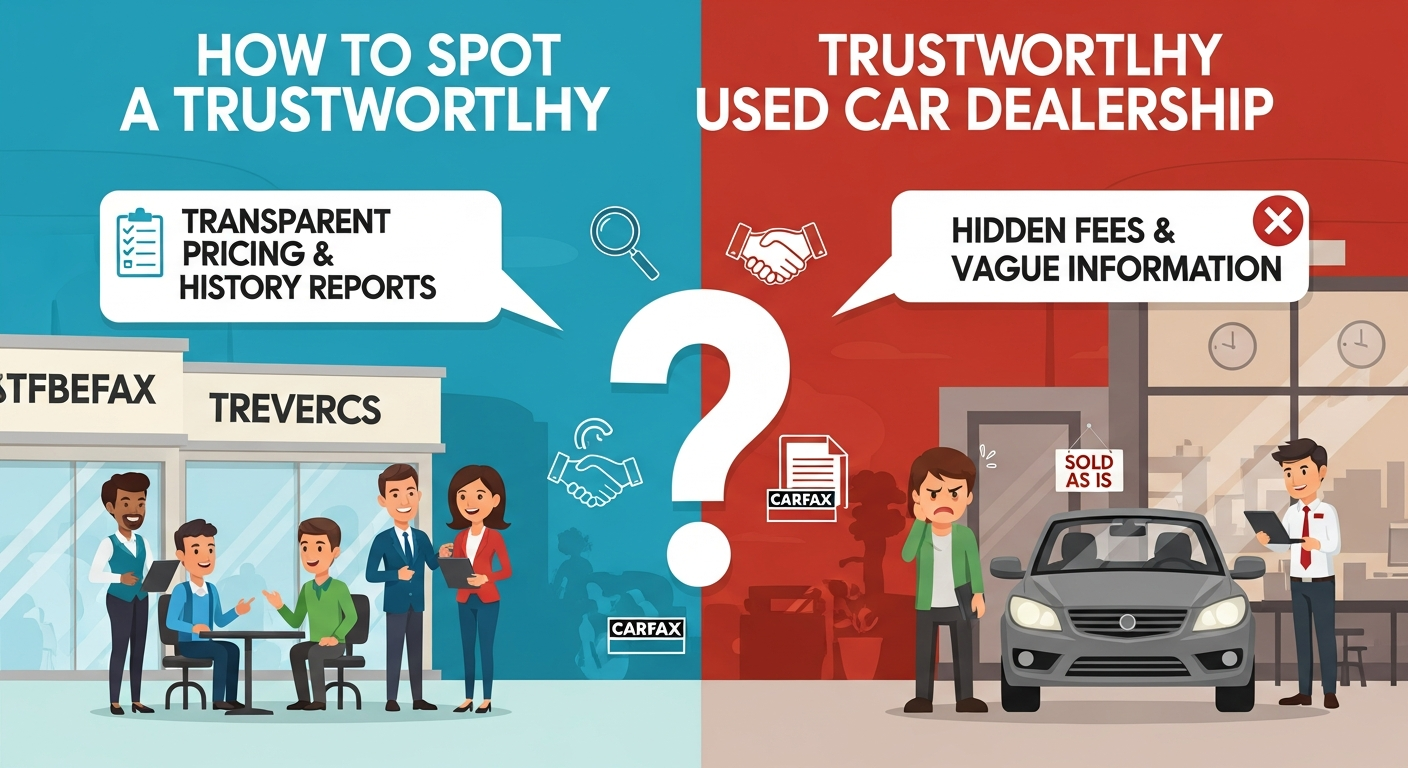
Buying a used car is one of the most important decisions many people make — it affects budgets, daily life, and long-term satisfaction. Knowing how to spot a good used car dealership saves time, reduces risk, and increases the chance of driving away with a reliable used car. This guide covers what to look for, red flags to avoid, and how to find a trustworthy dealership that offers transparency, quality used vehicles, and peace of mind.
What should I check in a used car dealership’s reputation and online reviews?
Online reviews and testimonials are often the first place to learn about a dealership’s trustworthiness. Search for mentions of customer satisfaction, transparency, and consistent messages about reliable used car sales. Multiple positive reviews that describe a good car-buying experience, clear vehicle history reports, and a fair price are strong indicators of a reputable used car dealership.
Look for patterns rather than single reviews. If several reviewers praise the same salesperson, mention a detailed history report, or highlight that the dealership offers certified pre-owned or quality used cars, those are signs of a reliable dealership. Pay attention to how the dealer responds to negative reviews — a transparent, solution-oriented reply suggests a trustworthy used car dealer that values customer satisfaction.
How important is transparency and detailed vehicle history when buying a used car?
Transparency should be non-negotiable when shopping for a pre-owned vehicle. A good dealership will provide a vehicle history report for every used car, showing previous ownership, accident history, service records, and title information. This level of transparency helps buyers make informed decisions and offers peace of mind during the car-buying journey.
Ask whether the dealership provides detailed vehicle history reports as standard practice. A trustworthy dealership won’t hide issues and will disclose anything that could affect the car’s value or safety. If a dealer resists sharing history reports or gives vague answers, that’s a red flag and a sign to look for other reputable used car dealerships.
What are the signs of a reliable used car salesperson or dealer?
A reliable car dealer focuses on your needs rather than pushing inventory. Look for sales staff who ask about your budget, driving habits, and must-have features instead of pressuring you to buy. Trustworthy salespeople provide clear explanations about warranties, service plans, and the vehicle’s condition, making the buying experience respectful and informative.
Good dealers also encourage test drives, offer third-party inspections, and back up claims with documentation like maintenance records and history reports. They aim for long-term customer satisfaction over a quick sale. If you feel rushed or misled, that’s a warning sign — a reputable used car dealership prioritizes transparency and a positive buying experience.
How can I evaluate the condition of a pre-owned vehicle at a dealership?
Knowing what to look for is key when inspecting a used vehicle. Check for uneven tire wear, signs of rust, mismatched paint, and inconsistent panel gaps. Test all electronics, check under the hood for leaks, and listen for unusual engine noises during the test drive. These physical checks reveal whether the dealership maintains quality used cars or just cosmetically cleans them up to look good on car lots.
Request a thorough inspection or allow an independent mechanic to perform a pre-purchase check. A dealer that stands behind their cars will welcome an independent inspection and may offer certified pre-owned options with documented inspections. If a dealership resists or discourages a third-party check, consider it a red flag and continue searching for a trustworthy used car dealer.
Why should you always take a test drive before buying a used car from a dealer?
A test drive is essential to evaluate performance, comfort, and handling — it’s the best way to spot hidden problems that paperwork won’t show. During the test drive, test acceleration, braking, steering response, and listen for transmission or suspension issues. Also check visibility, seat comfort, and whether infotainment or safety systems function correctly.
Dealerships that allow extended test drives and give you time to evaluate the car demonstrate confidence in their inventory. A trustworthy dealership encourages test drives because a good used car will show its quality on the road. If a dealer limits your test drive or pressures you to skip it, consider that a serious warning sign.
How do certified pre-owned programs and warranties affect my buying experience?
Certified pre-owned (CPO) vehicles typically come with higher standards of inspection and a manufacturer-backed or dealer-backed warranty. Choosing a CPO car adds a layer of assurance, often including extended warranties, roadside assistance, and a comprehensive vehicle history report. This increases buyer confidence and often provides better long-term value compared to non-certified listings.
Ask the dealership what the certification process includes and what the warranty covers. A trustworthy dealership will clearly explain the differences between certified and non-certified options and offer transparent pricing that reflects the added benefits. If warranty terms are unclear or only verbal, ask for everything in writing to protect your car purchase.
What are the common red flags that a used car dealership is not trustworthy?
Watch for high-pressure sales tactics, reluctance to share vehicle history reports, lack of a physical address, or an inventory that seems too good to be true. Common red flags include inconsistent odometer readings, missing service records, vehicles with salvage titles, or dealers insisting on cash-only transactions. These signs often accompany lower-quality vehicles and unreliable selling practices.
Other warning signs include a dealership that doesn’t let you take cars for a proper test drive, refuses independent inspections, or avoids answering simple questions about fees and the vehicle’s condition. Trustworthy used car dealerships operate transparently and prioritize long-term customer satisfaction over quick, risky sales.
How can financing, price transparency, and fair pricing indicate a good dealership?
Transparent pricing is a hallmark of a good dealership. A reliable used car dealership will provide a clear breakdown of the sale price, taxes, fees, and any optional add-ons. Avoid places that add surprise fees or change terms late in the process. A fair price reflects the car’s condition, vehicle history, market value, and any included warranty or service benefits.
Good dealerships also offer financing options and work with multiple lenders to find competitive rates. They should explain the terms, APR, and monthly payment scenarios clearly, helping you understand the total cost of ownership. If financing terms are confusing or pressure is applied to accept add-ons, pause the deal and reassess your options.
Where should I look to find the right used car dealership near me?
Start with online searches for used cars near you and read local online reviews on multiple platforms. Look for dealerships with consistent positive feedback about vehicle condition, customer service, and support after the sale. Recommendations from friends and family who had a good car-buying experience can also point you to a reputable local dealer.
Visit multiple dealerships to compare inventory, pricing, and how they handle questions about vehicle history and inspections. Trusted dealerships often have a clear online presence with detailed listings, photos, and vehicle history reports available up front—this level of transparency helps narrow down the list of reliable car dealers in your area.
How does after-sales support and customer service reflect a dealership’s reliability?
After-sales support is a strong indicator of a quality dealership. A trustworthy used car dealer provides ongoing customer support, clear warranty servicing, and assistance with registration or any post-purchase issues. Dealers that prioritize customer satisfaction will follow up, offer maintenance plans, and make scheduling service simple and transparent.
Check whether the dealership has a service department and read reviews about how they handle repairs and warranty claims. A dealership that stands by its vehicles will show commitment through responsive service centers and helpful staff, offering buyers peace of mind after the sale is complete.
How do I balance price, condition, and long-term reliability when purchasing pre-owned?
Finding the perfect used car means balancing upfront cost with expected reliability and future maintenance. Don’t choose the cheapest option without considering vehicle history reports, inspection results, and expected repair costs. A slightly higher purchase price for a well-documented, well-maintained car can save money and stress over time.
Consider the total cost of ownership: insurance, fuel economy, likely repairs, and resale value. A reputable dealership will help you evaluate these factors and offer reliable used cars that match your needs and budget. Prioritize transparency and documented history over a bargain that seems too good to be true.
How can I negotiate and ensure I’m getting a fair deal on a used car?
Preparation is essential for negotiation. Research market prices for similar models using online tools, review the vehicle history report, and get a pre-purchase inspection. Start negotiations based on documented conditions, like needed repairs or missing maintenance records. A trustworthy dealer will respond with factual counters rather than high-pressure tactics.
Be ready to walk away if the dealer doesn’t offer a fair price or transparency. Good dealerships want to earn your business and will be open to reasonable negotiations. Keep the focus on the car’s condition, history report, and fair price — these facts create the strongest bargaining position.
Conclusion: Key takeaways to find a trustworthy used car dealership
- Check online reviews and patterns of customer satisfaction to identify reputable used car dealerships.
- Demand transparency and a detailed vehicle history report for every pre-owned vehicle.
- Insist on test drives and independent inspections to verify condition and avoid red flags.
- Choose certified pre-owned options when available for added warranty and peace of mind.
- Watch for high-pressure sales tactics, hidden fees, and reluctance to provide documentation — these are warning signs.
- Evaluate after-sales support and service options; reliable dealerships back their cars with good customer service.
- Balance price with long-term reliability and total cost of ownership rather than chasing the lowest upfront price.
- Negotiate using documented facts from vehicle history reports and independent inspections.
When shopping for a used car, knowing what to look for helps you find a good dealership and a reliable used car. A trustworthy used car dealership will provide transparency, quality used vehicles, clear history reports, and a positive car-buying experience. If you’re in the Schaumburg, IL area, Windy City Autos is a Used Car Dealer in Schaumburg, IL that emphasizes transparency, test drive access, and detailed vehicle history reports so buyers can find the perfect pre-owned vehicle. Prioritize honesty, documentation, and customer satisfaction to avoid red flags and drive away with a dependable vehicle from a good dealership.
How to Negotiate the Best Price at a Used Car Dealership
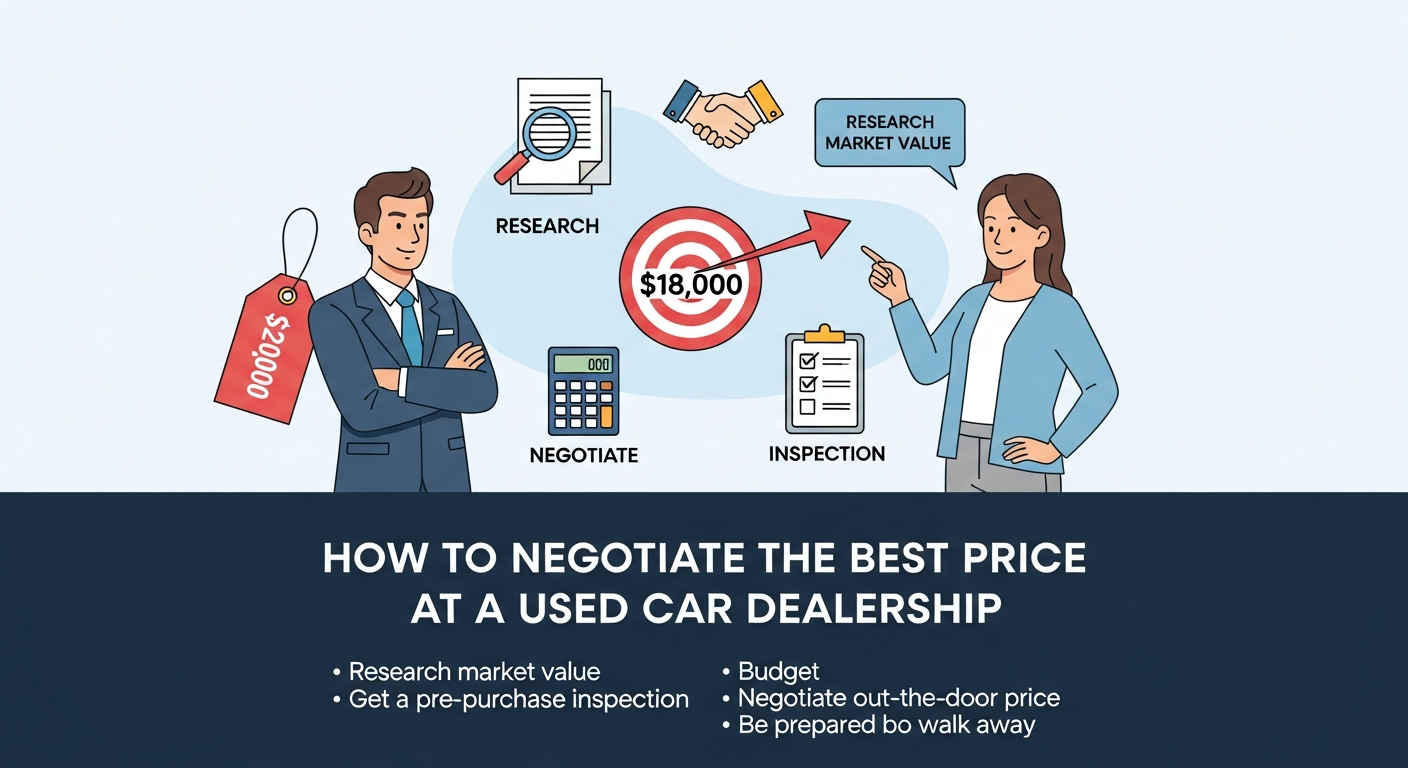
Negotiating the price when buying a used car is a crucial skill that can save you hundreds, if not thousands, of dollars. Understanding how to negotiate effectively can lead to securing the best deal possible at a used car dealership. In this blog post, we will explore various strategies and tips that will empower you to negotiate with confidence and achieve a fair price on your next pre-owned vehicle.
What Should You Know Before You Negotiate at a Used Car Dealership?
Before stepping foot into a car dealership, it’s essential to do your homework. Research the market value of the vehicle you are interested in using resources like the Kelley Blue Book. Knowing the average sale price will give you a benchmark for negotiations. Additionally, familiarize yourself with the dealership’s inventory and pricing.
Another key point is to understand the total price you are willing to pay. This includes not only the sale price but also taxes, fees, and add-ons like extended warranties. Having a clear budget in mind can help you negotiate more effectively and avoid overspending.
How Can You Shop Around for the Best Deal?
One of the most effective strategies for negotiating is to shop around at different dealerships. Visiting multiple used car dealers allows you to compare prices and offers. If you find a better price elsewhere, don’t hesitate to bring that information back to the dealership you prefer. This can often lead to a better price being offered.
When you shop around, keep track of the prices and features of the cars you are interested in. You may also consider checking online listings to find the best deals in your area. The more data you have, the stronger your negotiating position will be.
What Are the Key Terms in Car Negotiation You Should Know?
Understanding key terms in the car buying process can significantly enhance your negotiation skills. Familiarize yourself with terms like invoice price, out-the-door price, and retail price. The invoice price is what the dealer pays for the car, while the out-the-door price includes all additional costs associated with the purchase.
Knowing these terms enables you to ask pointed questions and make informed decisions during negotiations. Always ensure you clarify what the total price includes, so there are no surprises later on.
How Can You Evaluate the Condition of the Used Car?
Inspecting the car you want to buy is pivotal in negotiations. Look for any signs of wear and tear, check the mileage, and take it for a test drive. If you notice any issues, use them as leverage in negotiation. For instance, if the tires are worn, you can argue for a lower price due to the need for replacements.
Additionally, consider obtaining a vehicle history report. This can reveal any past accidents or issues that may affect the car’s value. Being well-informed about the car’s condition can help you negotiate a fair price.
What Strategies Can You Use to Negotiate a Used Car Price?
One effective strategy for negotiating is to start with a lower offer than the asking price. This gives you room to negotiate upward while still aiming for the price you are willing to pay. You can also use competing offers from other dealerships to your advantage, indicating that you have options.
Be polite but firm in your discussions. Remember, negotiation is often a back-and-forth process. If the dealership isn’t willing to meet your price, be prepared to walk away. Sometimes, this is the best tactic to get them to reconsider your offer.
How Do Trade-Ins Affect Your Negotiation?
If you plan to trade in your old vehicle, it can significantly affect your negotiation strategy. Research the trade-in value using the Kelley Blue Book to ensure you receive a fair offer. When negotiating, treat the trade-in and the purchase as separate transactions to avoid confusion.
By negotiating your trade-in value first, you can ensure the dealership gives you a reasonable price before discussing the purchase of your new vehicle. This can ultimately lead to a better deal overall.
What Financing Options Should You Consider?
Understanding your financing options is crucial before negotiating the price of a used car. You may opt for a car loan through a bank or credit union, which may offer lower interest rates than the dealership. Having pre-approved financing can also provide leverage during negotiations.
Discuss different loan terms and monthly payments with the dealer, making sure to clarify the total price over the loan duration. This knowledge can help you negotiate a better deal on the vehicle and ensure you are comfortable with your monthly payments.
How Important Is Timing When Negotiating?
Timing can play a significant role in your negotiation success. Buying at the end of the month or during promotional periods can often yield better deals, as dealers may be eager to meet sales quotas. Additionally, consider shopping during off-peak times when dealerships are less busy.
Being patient and waiting for the right moment can lead to discovering opportunities for a lower price or exclusive offers. Don’t rush the buying process; take your time to ensure you get the best deal possible.
What Tactics Can Help You Get a Lower Price?
To negotiate a lower price, consider using tactics such as highlighting any flaws or issues with the car. Use this information to justify your offer and push for a price reduction. You can also leverage competitor prices to support your case for a better deal.
Lastly, be prepared to walk away if the price doesn’t meet your expectations. This can sometimes prompt the dealer to reconsider your offer and provide a more favorable price.
How Do You Know When to Close the Deal?
Knowing when to close the deal can be challenging. Look for signs that the dealer is willing to negotiate further or if they start to offer additional perks, like free oil changes or extended warranties. These can be indicators that you are nearing a favorable agreement.
If you feel satisfied with the negotiated price and terms, it may be time to finalize the deal. Trust your instincts, and remember that you should feel comfortable with the total price, monthly payments, and any additional costs.
Conclusion
Negotiating the best price at a used car dealership requires preparation, knowledge, and strategy. By understanding the car buying process and applying the tips outlined in this article, you can navigate negotiations with confidence. Whether you are looking for a trade-in deal or financing options, being well-informed is key. If you’re in the Schaumburg, IL area, consider visiting Windy City Autos, a reputable used car dealership offering a wide selection of used cars for sale, competitive financing options, and knowledgeable staff ready to help you negotiate the best price for your next vehicle.
Frequently Asked Questions
1. What is the best strategy to negotiate the price of a used car?
The best strategy includes researching the car’s market value, knowing your budget, and being prepared to walk away if the deal isn’t right. Start with a lower offer to give yourself room to negotiate.
2. Should I mention my trade-in during negotiations?
It’s advisable to negotiate the price of the used car first before discussing your trade-in. This way, you can avoid confusion and ensure that you get the best deal on both transactions.
3. How can I determine if the price is fair?
You can determine a fair price by researching similar vehicles in your area using online resources like Kelley Blue Book or Edmunds to compare prices based on make, model, year, and mileage.
4. What if the dealer won’t negotiate?
If the dealer is unwilling to negotiate, consider walking away. There are many dealerships, and you may find a better deal elsewhere. Additionally, you can ask if there are any promotional offers or financing options available.
5. Is it better to negotiate at the end of the month?
Yes, negotiating at the end of the month can be beneficial as salespeople may be more willing to offer discounts to meet their monthly sales targets.
6. Should I get financing before going to the dealership?
Yes, securing financing beforehand can give you a better idea of your budget and strengthen your negotiating position, as you will know exactly how much you can afford to spend.
What to Expect When Shopping at a Used Car Dealership
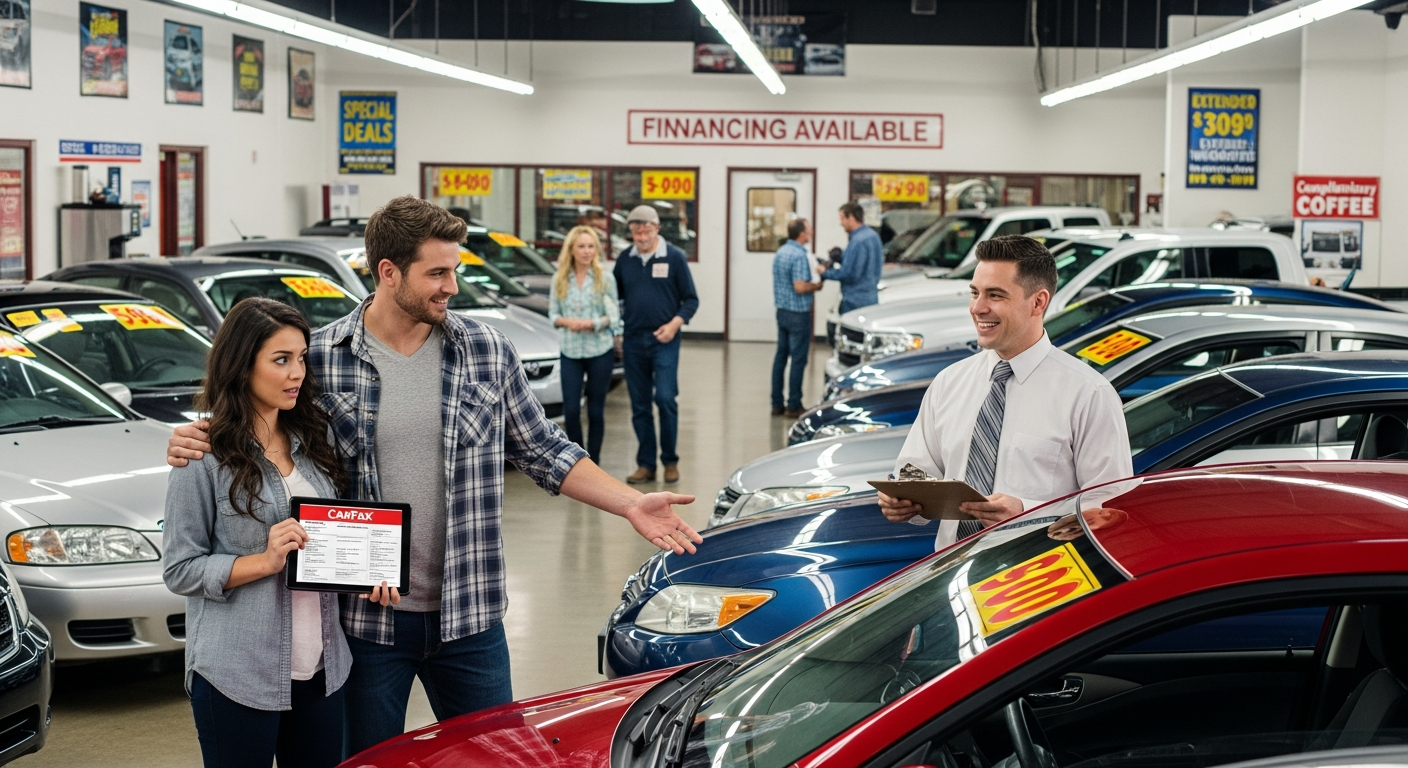
Shopping at a used car dealership can be an exciting yet daunting experience. Understanding what to expect can help make the process smoother and more enjoyable. From negotiations to inspections, knowing the ins and outs of buying a used car can give you the confidence you need to make the best decision for your needs and budget.
What Should You Know About the Car Buying Process?
The car-buying process at a used car dealership typically involves several steps. First, it’s essential to research the specific car you want and understand its market value. Tools like Kelley Blue Book can help you determine a fair price. Next, visiting the dealership will allow you to inspect the car, take it for a test drive, and ask questions about the vehicle’s history.
Once you’ve found the right vehicle, the negotiation process begins. This is where being prepared and knowledgeable about the car’s value can help you secure the best deal possible. Don’t hesitate to compare prices at different dealerships to ensure you’re getting a fair offer.
How Important is a Vehicle History Report?
A vehicle history report plays an essential role in the used car buying process. It provides valuable information about the car’s past, including any accidents, title issues, or previous ownership. This report can give you peace of mind and help you make an informed decision.
Before finalizing your purchase, ask the dealership for a copy of the vehicle history report. If they don’t provide one, consider obtaining it yourself through services like Carfax or AutoCheck. This small step can save you from potential headaches down the road.
What Should You Expect During the Inspection?
When shopping for a used car, a thorough inspection is essential. Many dealerships often have their own mechanics check the vehicle before putting it on the lot. However, it’s wise to have an independent mechanic inspect the car as well. This can uncover any hidden issues that the dealership may not disclose.
During the inspection, pay close attention to critical areas such as the engine, brakes, and tires. Look for signs of water damage or irregular wear and tear. A well-maintained vehicle will have complete maintenance records, which can also be a negotiating point.
What Financing Options Are Available?
Financing options at used car dealerships can vary widely. Many dealerships offer financing through a preferred lender or credit union, which can streamline the process. However, it’s essential to shop around and compare different loan terms and interest rates to find the best deal.
Before visiting a dealership, check your credit score and prepare the necessary documents. This preparation will help you understand your budget and monthly payment options better. By knowing your financial limits, you can avoid overspending.
How Do Trade-Ins Work at Used Car Dealerships?
If you have a vehicle to trade in, understanding the trade-in process can significantly affect your overall purchase. Dealerships usually evaluate your vehicle based on its condition, mileage, and market demand. Obtaining a trade-in offer before visiting the dealership can give you leverage during negotiations.
Consider cleaning your car and gathering maintenance records to present it in the best light. A well-maintained vehicle can fetch a better trade-in value, ultimately lowering the cost of the car you want to buy.
What Are the Warranty Options Available?
Warranties can vary greatly among used cars. Some dealerships offer certified pre-owned vehicles that come with extended warranties, providing additional peace of mind. Understanding what is covered under the warranty terms can help you feel more secure about your purchase.
Additionally, inquire about service contracts or add-ons during the buying process. While these can increase the initial cost, they may save you money on future repairs if you choose a reliable dealership that stands behind its vehicles.
How Can You Prepare for Negotiation?
Negotiation plays an important role in the overall car-buying experience. To prepare for this, research the market value of the vehicle you’re interested in and have a target price in mind. Knowing the average price for similar cars can help you during discussions with the salesperson.
When negotiating, be confident and remain calm. If the dealership isn’t willing to meet your price, don’t be afraid to walk away. There are many used car dealerships that may offer a better deal, so don’t rush the process.
What Should You Look for During a Test Drive?
A test drive is one of the most critical steps in the car-buying process. During the drive, pay attention to how the car handles, accelerates, and brakes. Pay attention to any strange sounds that could signal hidden problems.
Additionally, check the comfort level of the seats and the functionality of features such as air conditioning, radio, and navigation systems. A thorough test drive will help you ensure that the car is a good fit for your needs.
What Are Common Return Policies?
Understanding the return policies of a used car dealership can provide extra reassurance. Some dealerships offer a return policy that allows you to bring back the vehicle within a specified period if you’re not satisfied. Be sure to ask about this before signing any sales contracts.
Knowing the terms of the return policy can help you feel more confident in your purchase, as it provides a safety net if the vehicle doesn’t meet your expectations after you take it home.
How Can You Ensure You’re Getting the Best Price?
To ensure you’re getting the best price, comparison shopping is vital. Visit multiple used car dealerships and gather offers for similar vehicles. This strategy not only helps you identify the best deal but also gives you leverage during negotiations.
Utilize online resources to check the market value of the specific car you’re interested in, and don’t hesitate to share this information with the dealer. This transparency can lead to a more favorable sales price.
Conclusion:
Shopping at a used car dealership requires preparation and knowledge about the car-buying process. By understanding what to expect, from inspections to financing options, you can make informed decisions that suit your needs and budget. If you’re looking for a reputable dealer, consider visiting Windy City Autos in Schaumburg, IL, where you can find a wide selection of used cars for sale, excellent financing options, and a commitment to customer satisfaction.
Frequently Asked Questions:
1. What should I bring with me when shopping for a used car?
When shopping for a used car, it’s advisable to bring your driver’s license, proof of insurance, and a method of payment. Additionally, consider bringing a checklist of features you want, a notepad for taking notes, and possibly a trusted mechanic if you plan to have the car inspected.
2. How can I determine if a used car is a good deal?
To determine if a used car is a good deal, research the market value of the specific make and model using online resources like Kelley Blue Book or Edmunds. Compare prices from different dealerships and consider factors such as mileage, condition, and the vehicle’s history report.
3. What should I know about the vehicle’s history?
It’s important to review the vehicle’s history report, which provides information about past ownership, accidents, service records, and any title issues. Services like Carfax or AutoCheck can provide these reports for a fee.
4. Can I negotiate the price at a used car dealership?
Yes, negotiating the price at a used car dealership is common and often expected. Be prepared to discuss your research and any comparable prices you’ve found to strengthen your negotiation.
5. What financing options are available when buying a used car?
Most used car dealerships offer financing options through partnerships with banks and credit unions. You can also consider securing a loan independently before visiting the dealership for potentially better rates.
6. What should I do if I have a trade-in vehicle?
If you have a trade-in vehicle, research its value beforehand to ensure you receive a fair offer. Be ready to present the trade-in during negotiations, and understand that the trade-in value may affect the overall deal on your new purchase.