
How to Negotiate the Best Price at a Used Car Dealership
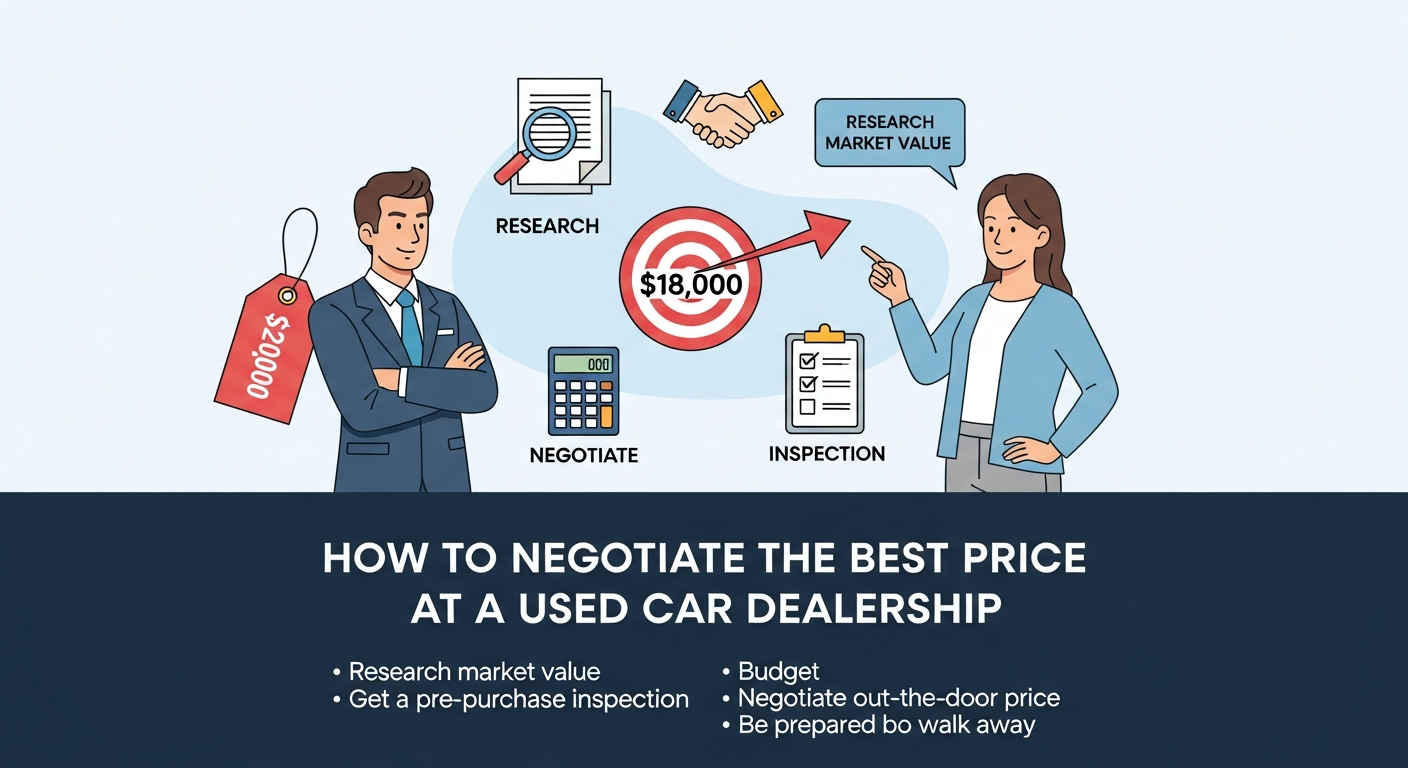
Negotiating the price when buying a used car is a crucial skill that can save you hundreds, if not thousands, of dollars. Understanding how to negotiate effectively can lead to securing the best deal possible at a used car dealership. In this blog post, we will explore various strategies and tips that will empower you to negotiate with confidence and achieve a fair price on your next pre-owned vehicle.
What Should You Know Before You Negotiate at a Used Car Dealership?
Before stepping foot into a car dealership, it’s essential to do your homework. Research the market value of the vehicle you are interested in using resources like the Kelley Blue Book. Knowing the average sale price will give you a benchmark for negotiations. Additionally, familiarize yourself with the dealership’s inventory and pricing.
Another key point is to understand the total price you are willing to pay. This includes not only the sale price but also taxes, fees, and add-ons like extended warranties. Having a clear budget in mind can help you negotiate more effectively and avoid overspending.
How Can You Shop Around for the Best Deal?
One of the most effective strategies for negotiating is to shop around at different dealerships. Visiting multiple used car dealers allows you to compare prices and offers. If you find a better price elsewhere, don’t hesitate to bring that information back to the dealership you prefer. This can often lead to a better price being offered.
When you shop around, keep track of the prices and features of the cars you are interested in. You may also consider checking online listings to find the best deals in your area. The more data you have, the stronger your negotiating position will be.
What Are the Key Terms in Car Negotiation You Should Know?
Understanding key terms in the car buying process can significantly enhance your negotiation skills. Familiarize yourself with terms like invoice price, out-the-door price, and retail price. The invoice price is what the dealer pays for the car, while the out-the-door price includes all additional costs associated with the purchase.
Knowing these terms enables you to ask pointed questions and make informed decisions during negotiations. Always ensure you clarify what the total price includes, so there are no surprises later on.
How Can You Evaluate the Condition of the Used Car?
Inspecting the car you want to buy is pivotal in negotiations. Look for any signs of wear and tear, check the mileage, and take it for a test drive. If you notice any issues, use them as leverage in negotiation. For instance, if the tires are worn, you can argue for a lower price due to the need for replacements.
Additionally, consider obtaining a vehicle history report. This can reveal any past accidents or issues that may affect the car’s value. Being well-informed about the car’s condition can help you negotiate a fair price.
What Strategies Can You Use to Negotiate a Used Car Price?
One effective strategy for negotiating is to start with a lower offer than the asking price. This gives you room to negotiate upward while still aiming for the price you are willing to pay. You can also use competing offers from other dealerships to your advantage, indicating that you have options.
Be polite but firm in your discussions. Remember, negotiation is often a back-and-forth process. If the dealership isn’t willing to meet your price, be prepared to walk away. Sometimes, this is the best tactic to get them to reconsider your offer.
How Do Trade-Ins Affect Your Negotiation?
If you plan to trade in your old vehicle, it can significantly affect your negotiation strategy. Research the trade-in value using the Kelley Blue Book to ensure you receive a fair offer. When negotiating, treat the trade-in and the purchase as separate transactions to avoid confusion.
By negotiating your trade-in value first, you can ensure the dealership gives you a reasonable price before discussing the purchase of your new vehicle. This can ultimately lead to a better deal overall.
What Financing Options Should You Consider?
Understanding your financing options is crucial before negotiating the price of a used car. You may opt for a car loan through a bank or credit union, which may offer lower interest rates than the dealership. Having pre-approved financing can also provide leverage during negotiations.
Discuss different loan terms and monthly payments with the dealer, making sure to clarify the total price over the loan duration. This knowledge can help you negotiate a better deal on the vehicle and ensure you are comfortable with your monthly payments.
How Important Is Timing When Negotiating?
Timing can play a significant role in your negotiation success. Buying at the end of the month or during promotional periods can often yield better deals, as dealers may be eager to meet sales quotas. Additionally, consider shopping during off-peak times when dealerships are less busy.
Being patient and waiting for the right moment can lead to discovering opportunities for a lower price or exclusive offers. Don’t rush the buying process; take your time to ensure you get the best deal possible.
What Tactics Can Help You Get a Lower Price?
To negotiate a lower price, consider using tactics such as highlighting any flaws or issues with the car. Use this information to justify your offer and push for a price reduction. You can also leverage competitor prices to support your case for a better deal.
Lastly, be prepared to walk away if the price doesn’t meet your expectations. This can sometimes prompt the dealer to reconsider your offer and provide a more favorable price.
How Do You Know When to Close the Deal?
Knowing when to close the deal can be challenging. Look for signs that the dealer is willing to negotiate further or if they start to offer additional perks, like free oil changes or extended warranties. These can be indicators that you are nearing a favorable agreement.
If you feel satisfied with the negotiated price and terms, it may be time to finalize the deal. Trust your instincts, and remember that you should feel comfortable with the total price, monthly payments, and any additional costs.
Conclusion
Negotiating the best price at a used car dealership requires preparation, knowledge, and strategy. By understanding the car buying process and applying the tips outlined in this article, you can navigate negotiations with confidence. Whether you are looking for a trade-in deal or financing options, being well-informed is key. If you’re in the Schaumburg, IL area, consider visiting Windy City Autos, a reputable used car dealership offering a wide selection of used cars for sale, competitive financing options, and knowledgeable staff ready to help you negotiate the best price for your next vehicle.
Frequently Asked Questions
1. What is the best strategy to negotiate the price of a used car?
The best strategy includes researching the car’s market value, knowing your budget, and being prepared to walk away if the deal isn’t right. Start with a lower offer to give yourself room to negotiate.
2. Should I mention my trade-in during negotiations?
It’s advisable to negotiate the price of the used car first before discussing your trade-in. This way, you can avoid confusion and ensure that you get the best deal on both transactions.
3. How can I determine if the price is fair?
You can determine a fair price by researching similar vehicles in your area using online resources like Kelley Blue Book or Edmunds to compare prices based on make, model, year, and mileage.
4. What if the dealer won’t negotiate?
If the dealer is unwilling to negotiate, consider walking away. There are many dealerships, and you may find a better deal elsewhere. Additionally, you can ask if there are any promotional offers or financing options available.
5. Is it better to negotiate at the end of the month?
Yes, negotiating at the end of the month can be beneficial as salespeople may be more willing to offer discounts to meet their monthly sales targets.
6. Should I get financing before going to the dealership?
Yes, securing financing beforehand can give you a better idea of your budget and strengthen your negotiating position, as you will know exactly how much you can afford to spend.